
RAMMP Robotic Assistive Mobility and Manipulation Platform
Building the next generation of robotic assistive mobility devices.
Overview
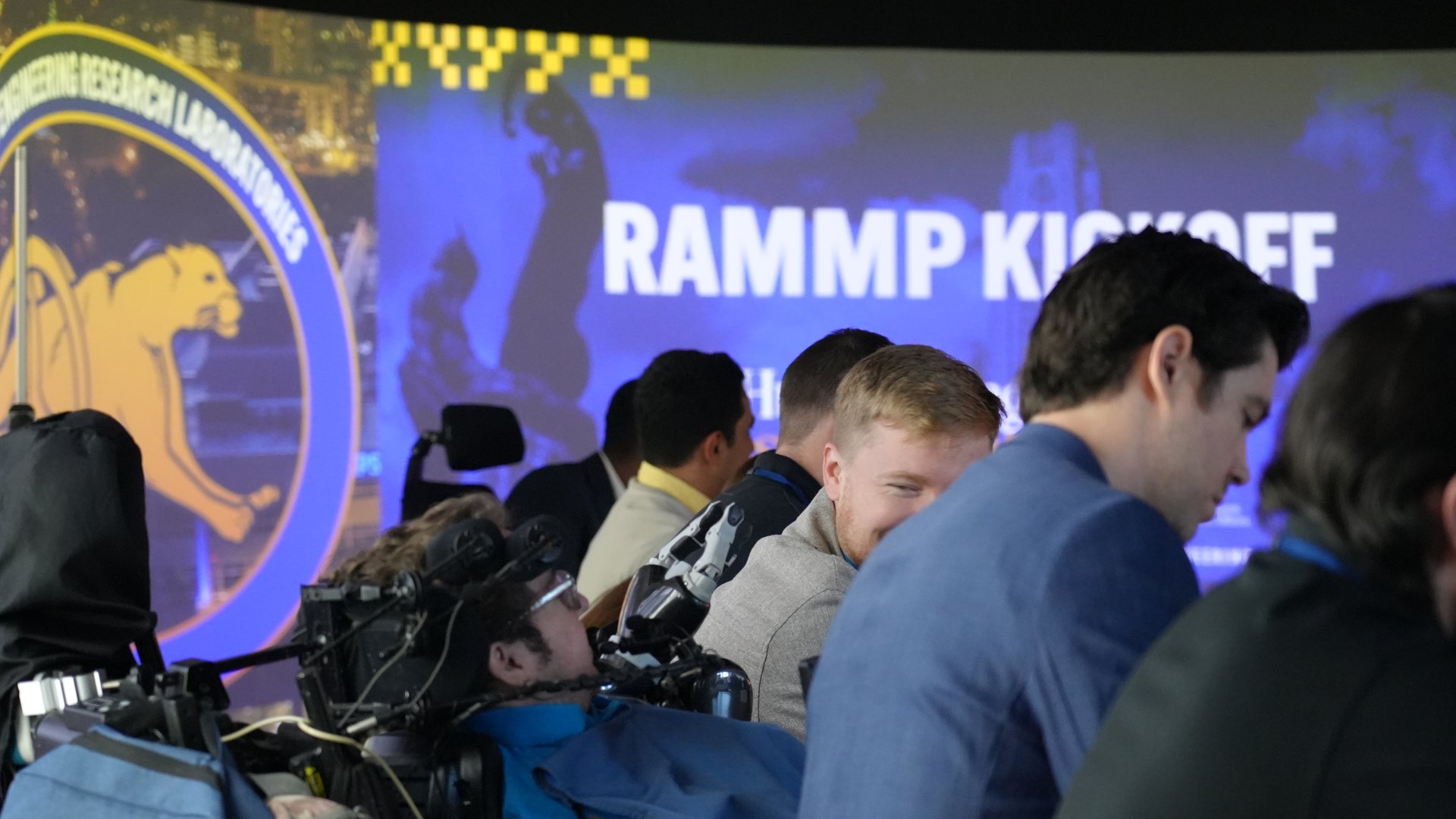
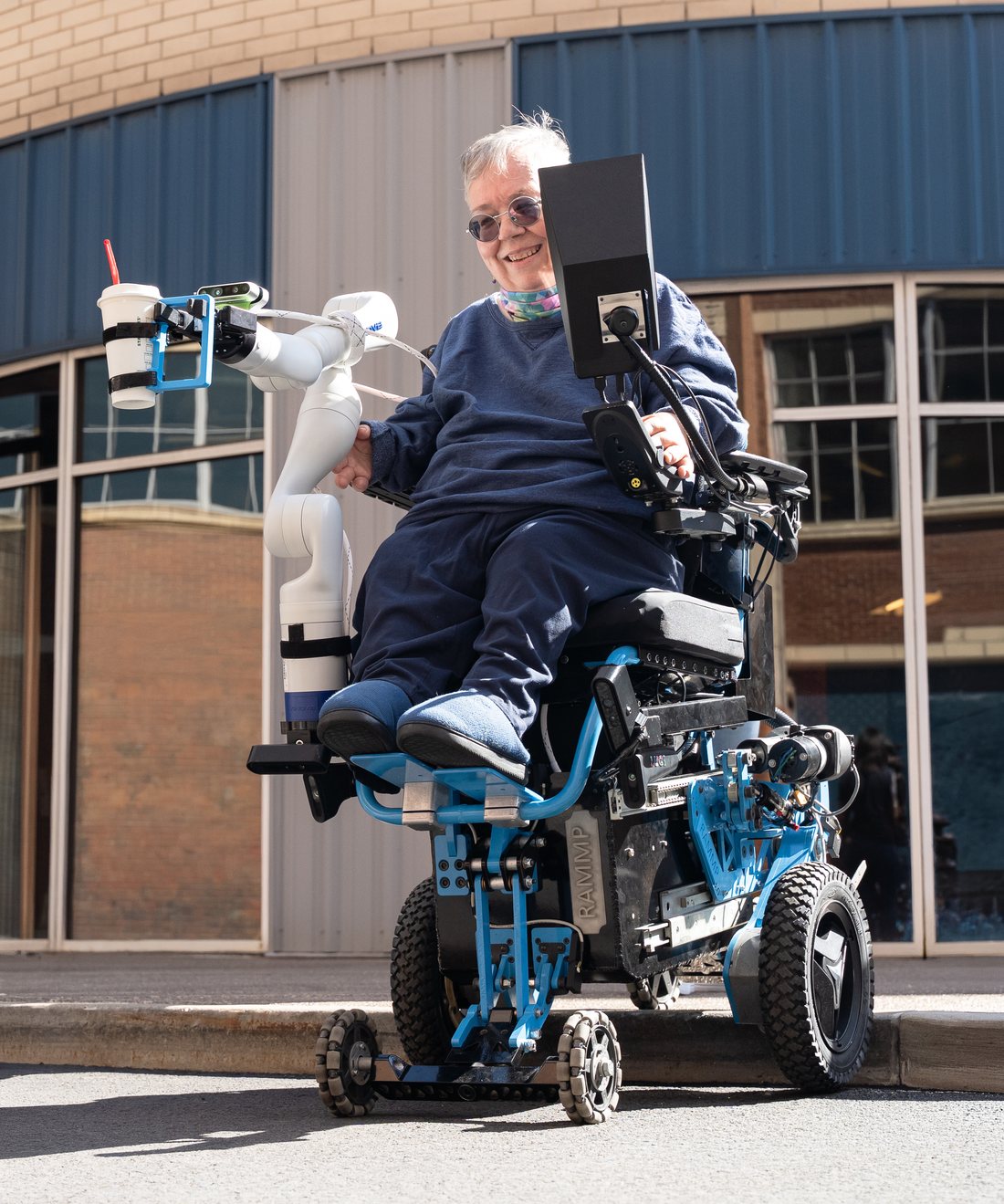
The Robotic Assistive Mobility and Manipulation Platform (RAMMP) is a $41 million ARPA-H funded program led by the University of Pittsburgh to create the next generation of open-source robotic assistive mobility and manipulation technologies.
RAMMP aims to empower people with mobility issues to live more independently by combining advanced robotics, artificial intelligence, and smart mobility. The program is designed to enable greater autonomy, helping users perform daily tasks safely and independently.
Research Foundation
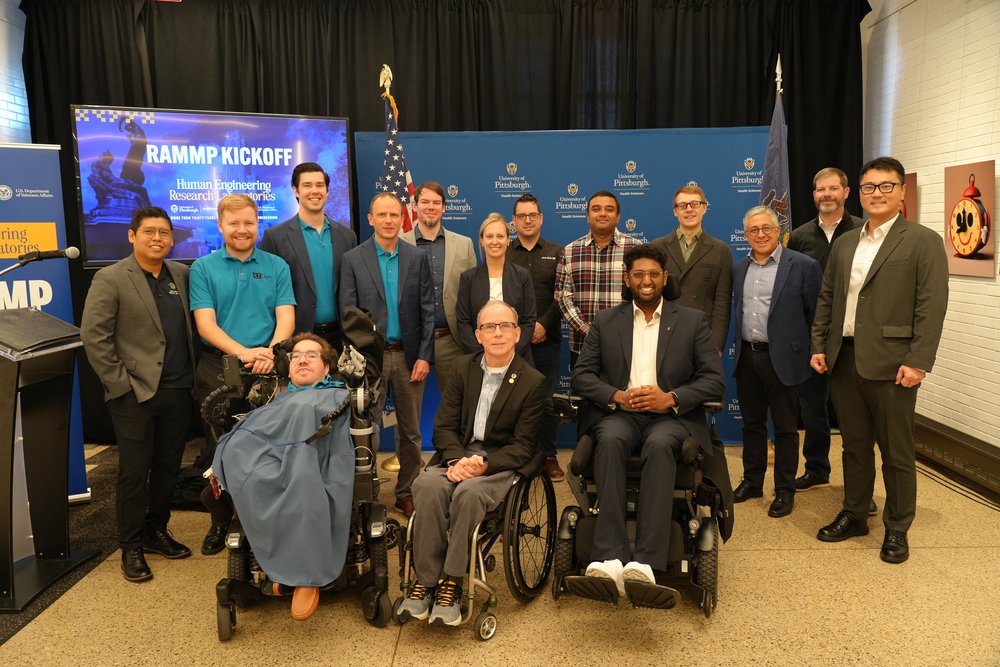
RAMMP brings together a world-class consortium of leading universities, research laboratories, and industry partners. This collaborative effort combines expertise in rehabilitation engineering, robotics, artificial intelligence, and assistive technology to create transformative solutions for people with mobility challenges.


ATDev

ATDev is the industry partner in the RAMMP consortium. We work alongside the university and laboratory teams to take the platform out of the lab: turning the research into a manufacturable product, and putting it in the hands of the people it is built for.
Consortium Partners

Carnegie Mellon University
Robotic Caregiving and Human Interaction Lab - Advancing robotic systems for human-centered caregiving applications.

Cornell University
Emprise Lab - Developing embodied AI and robotic systems for assistive and collaborative applications.

Northeastern University
The Robotics and Intelligent Vehicles Research Laboratory (RIVeR) is a research lab that focuses on experiential robotics.

Purdue University
Intelligent Assistive Systems Lab - Developing assistive technologies and intelligent systems for enhanced mobility and independence.

Kinova Robotics
Leading provider of lightweight robotic arms designed for assistive and collaborative applications.

LUCI Mobility
Innovating next-generation mobility solutions for enhanced independence and quality of life.
Commercial Partners

NVIDIA
Leading provider of GPU computing and AI technology powering next-generation robotics and assistive technology applications.

Amazon Web Services
Cloud computing platform providing scalable infrastructure for healthcare innovation and assistive technology development.

Meta
AI research and open-source frameworks, including PyTorch, underpinning the perception and control software behind assistive robotics.
Funding
This project is funded, in part, by the Advanced Research Projects Agency for Health (ARPA-H), a division of the U.S. Department of Health and Human Services.
Partner with us
Building robotic mobility, in the open.
Researchers, clinicians, and investors who want to help build the future of assistive mobility, we want to hear from you.